That's Not Muay Thai: 7 Warning Signs Your Gym Is Selling You Kickboxing in a Straw Hat
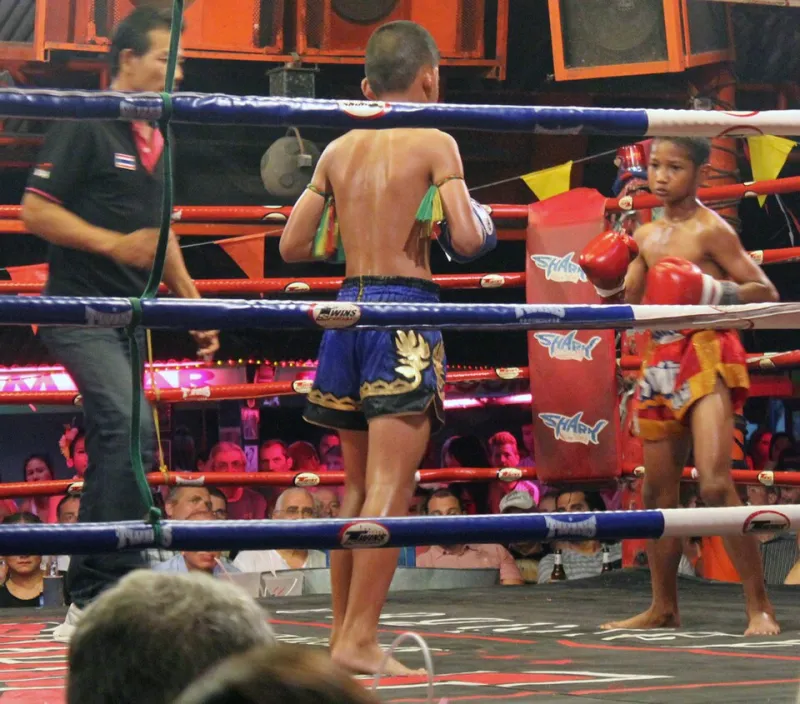
Photo: Per Meistrup, CC BY-SA 4.0, via Wikimedia Commons
Muay Thai is having a moment in the United States. One Championship is on Prime Video, every UFC card features nak muay-turned-MMA fighters, and strip-mall gyms from Tampa to Tacoma have noticed. The result? A flood of schools marketing 'authentic Muay Thai' that have never thrown a legitimate clinch drill in their existence.
I'm not here to gatekeep. Cross-training gyms can be excellent, and a kickboxing background isn't a crime. But if you're paying for Muay Thai, you deserve Muay Thai. Here's the checklist I'd hand any new student.
1. There's No Clinch — At All
This is the big one. The clinch is the art of eight limbs' signature: collar ties, arm control, sweeps, and knees from inside range. It's what separates Muay Thai from Dutch kickboxing, and it's the first thing lazy programs cut because it's exhausting to teach and uncomfortable to learn.
If you've trained for six weeks and never heard the word 'clinch,' you're not training Muay Thai. Full stop.
2. Pad Work Is a Cardio Routine
Watch a class before you sign up. In real Muay Thai pad work, the holder is a coach — correcting your posture, checking your kick timing, feeding reactions. In cardio-kickboxing-with-a-Thai-name, pad work is 30 seconds of flailing followed by burpees.
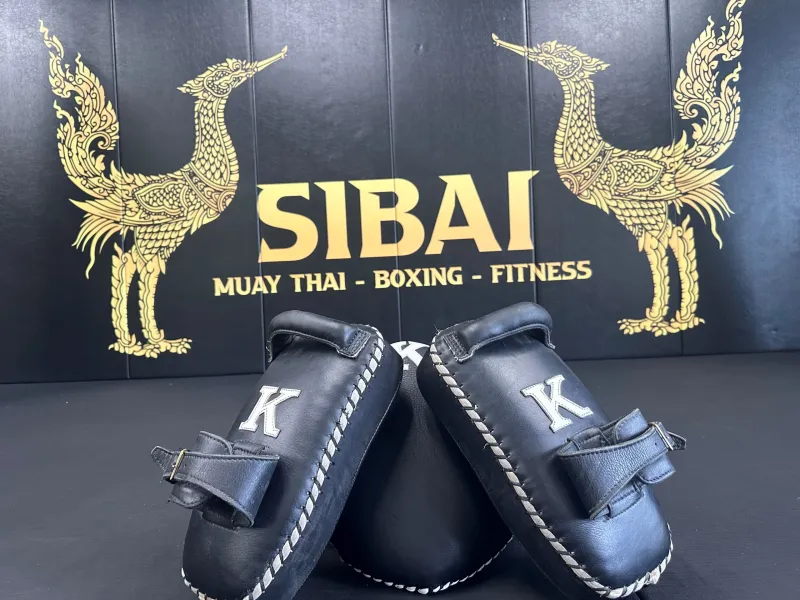
Also, look at the pads themselves. Belly pads, Thai pads, and long swords (the big kick shields) are standard. If the instructor is holding focus mitts for full-power round kicks, run.
3. The Instructor's Lineage Is a Mystery
Ask a simple question: 'Where did you train, and who gave you the right to teach?' Legit instructors answer instantly and proudly. American nak muay typically trace back through respected Thai or Western-lineage instructors — think Kru names, camps in Thailand, or established US organizations.
Vague answers like 'I've been martial arts for 20 years, all styles' are a red flag wearing a mongkol.
4. No Wai Kru, No Culture, No Clue
You don't need incense and chanting to teach good Muay Thai. But the complete absence of any Thai tradition — no wai kru ram muay before sparring, no respect for the mongkol and pra jiad, no acknowledgment of the art's origins — usually signals an instructor who learned the techniques secondhand and skipped the soul.
Culture isn't decoration. It's the transmission system that carries the details.
5. Everyone Spars Hard, Every Week
Walk in during sparring class. If beginners are getting lit up while the coach films highlight reels, that gym is burning through students for content. Authentic Muay Thai culture treats sparring as play — technical, controlled, with hard rounds reserved for fight prep.
Conversely, if there's no sparring at all, that's its own problem. You can't learn timing in a vacuum.
6. The 'Muay Thai' Class Is Just Bag Work
Some gyms rebrand their heavy bag classes as Muay Thai because the keyword sells. Bag work is a component of training, not the training. If the curriculum never includes partner drills, clinch, defense, or pad rounds, it's fitness marketing, not martial arts.
7. Nobody Competes — Or Everybody Does, Immediately
Two extremes, same problem. A gym where nobody has ever fought isn't necessarily bad for a hobbyist, but a gym billing itself as authentic Muay Thai should have at least a pipeline toward smoker fights, amateur bouts, or interclub sparring. Meanwhile, a gym that pushes every white-collar beginner into a cage in three months cares about your wallet, not your development.
Ask about their fight team. The answer tells you everything.
The Bottom Line
Do a trial class. Ask about lineage. Watch for the clinch. These take 30 minutes and will save you a year of learning someone's aerobics routine with Thai branding.
The real ones are out there — gyms where the kru corrects your hip rotation mid-combination and the whole room wais before sparring. When you find one, you'll know. Train smart, fight hard, and demand the real thing.