From Smoke-Filled Smokers to Streamed Cards: What American Muay Thai Gets Right (and Wrong) About Growing Up
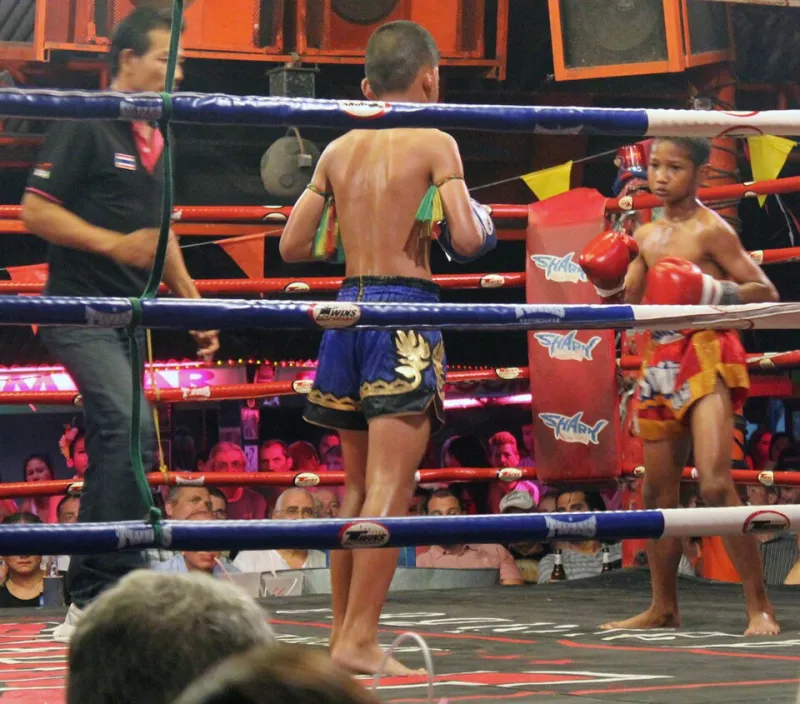
Photo: Per Meistrup, CC BY-SA 4.0, via Wikimedia Commons
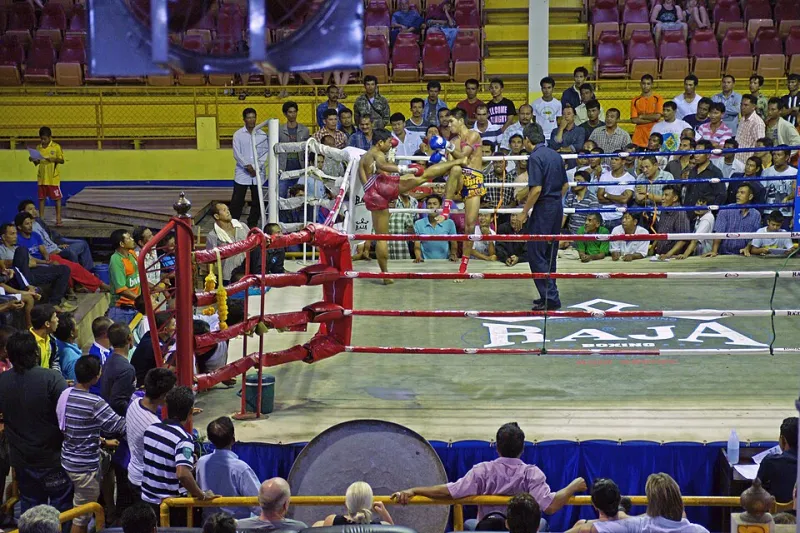
Go to a regional Muay Thai event in America in 2025 and something strange happens: it feels professional. There's a medical team that actually checks your blood pressure. The ruleset is posted online before fight night. A commentator explains why the clinch matters. There might even be — brace yourself — a live stream with more than three camera angles.
If you started in this sport a decade ago, this should feel surreal. Because it wasn't always like this.
The 2015 Smoker: A Nostalgia Check
Picture the classic grassroots show circa 2015. A boxing gym or an Elks Lodge in a strip mall. Folding chairs packed shoulder to shoulder, half the crowd there to support one cousin. The ring was borrowed, the canvas had more tape than fabric, and the "rules meeting" was a promoter waving a hand and saying "no elbows unless you both agree."
There was charm in it, absolutely. The energy was raw. Nobody was there for a paycheck — because there wasn't one. You fought for a trophy, a t-shirt, and bragging rights at your gym. But let's not romanticize it too hard: the matchmaking was often a coin flip, insurance coverage was a gray area, and the referee might have learned the rules that afternoon.
That era served its purpose. It built the scene. But it was never going to convince a state athletic commission, a sponsor, or a casual sports fan that Muay Thai was a legitimate discipline.
What's Actually Better Now
The professionalization of US Muay Thai is real, and it's mostly good news:
- Sanctioned rulesets. Organizations and state commissions now standardize amateur rules — rounds, legal techniques, required equipment. Fighters know what they're walking into. That's not boring; that's basic safety.
- Officiating that knows the sport. Referees and judges who actually understand clinch work and scoring under Muay Thai criteria, not kickboxing judges slumming it.
- Production value. Live streams, decent lighting, walkouts with actual music, and ring presentations that treat fighters like athletes instead of props.
- Respectful presentation. The Wai Kru gets time on the card. Announcers explain it. The culture isn't stripped out for the sake of "entertainment."
For a sport built on the Art of Eight Limbs, being taken seriously by American audiences starts with presenting the art, not just the violence.
What We Should Leave Behind
Not everything from the old days deserves a comeback. The unregulated matchmaking. The mystery medical standards. The "smoker" mentality that treated safety as an afterthought. And yes — the outdated ring presentation culture that treated women as decoration instead of competitors. The sport grew up. The presentation finally did too.
What's Worth Fighting to Keep
Here's my worry, though: as cards get slicker, some promoters are sanding off the texture that made local shows special.
Keep the community. The gym-vs-gym energy where half the crowd drove two hours to scream for someone they know. Keep the accessibility — the $30 ticket, the fighter who sells merch out of a duffel bag, the coach cornering three kids in one night. Keep the respect between camps, the post-fight photo with both teams, the understanding that everyone in the building loves this weird, brutal, beautiful sport.
The moment local shows start copying the sterile corporate feel of a big promotion — overproduced, overpriced, disconnected from the gyms that feed them — they lose the only advantage they have over a Netflix stream: realness.
The Verdict
American Muay Thai growing up isn't selling out. It's the sport earning the credibility it always deserved. But maturity doesn't mean amnesia. The best promoters today are the ones who learned from the smoker era — the community, the grit, the love — while quietly burying the parts that were never good for fighters in the first place.
Show up early, stay through the amateur undercard, and clap for the Wai Kru. That's how the culture survives the glow-up.