There's a Fight Card Two Hours Away and You Don't Even Know It: How to Plug Into Your State's Muay Thai Scene
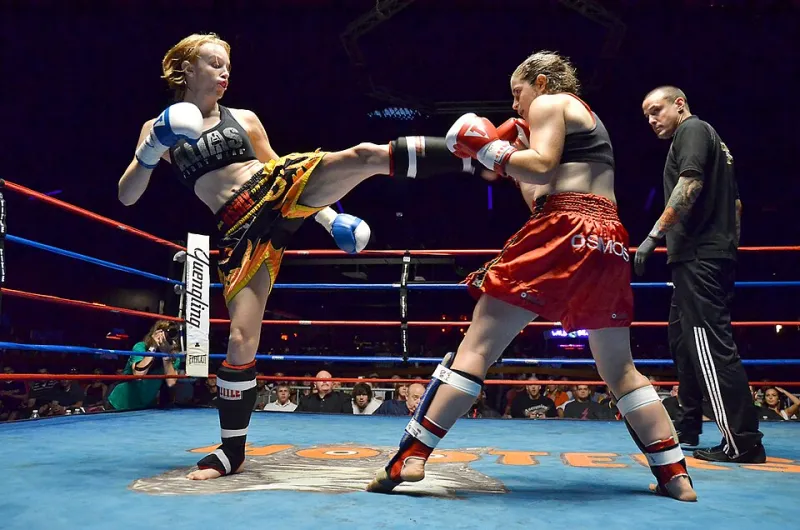
Photo: Eric Langley, CC BY 2.0, via Wikimedia Commons
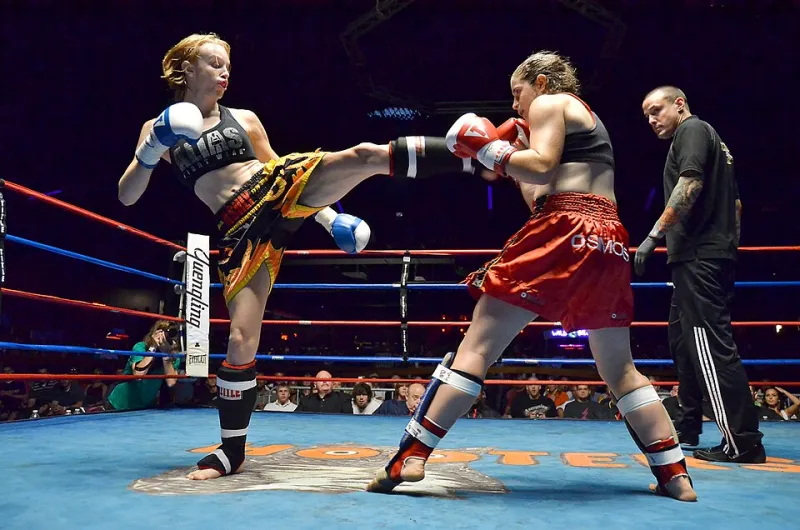
Somewhere within a two-hour drive of your house, probably this month, two amateurs are going to touch gloves under a Mongkhon banner while a ref who used to fight in Vegas watches their shins. And you don't know about it. Almost nobody does.
That's the reality of grassroots Muay Thai in America. The sport is growing fast — gyms are popping up in strip malls from Austin to Akron — but the fight scene underneath it all runs on word of mouth, Instagram stories that vanish in 24 hours, and promoters who announce cards three weeks out. If you're waiting for the UFC-style marketing machine to tell you when and where, you'll be waiting forever. Here's how to find it yourself.
Start With the Paper Trail: Sanctioning Bodies
The fastest legit check is figuring out who sanctions the show. In the US, most amateur Muay Thai falls under a handful of organizations, and each keeps event calendars or at least a social media footprint.
IKF (International Kickboxing Federation) is probably the biggest name in amateur Muay Thai sanctioning right now. They sanction everything from small regional cards to national tournaments, and their site lists upcoming events by state.
WBC Muay Thai has a growing American presence, mostly on the professional and development side. If a card is flying a WBC flag, there's usually a real infrastructure behind it.
US Muay Thai Federation and state athletic commissions matter too, especially for pro shows. In states like California, the CSAC regulates Muay Thai directly. In others, pro rules fights might run under modified kickboxing rules — more on that in a second.
Bookmark the sanctioning bodies' event pages. Check them once a month. It's the least glamorous tip in this article and possibly the most useful.
The Facebook Group Goldmine (Yes, Really)
I know. Facebook is where the algorithm goes to die. But the fight world hasn't gotten the memo, and regional combat sports groups are still where promoters post flyers first. Search Facebook for combinations like "[your state] Muay Thai," "[your metro] kickboxing and Muay Thai," or "[region] fight fans." Groups like these cover everything from Texas to the Northeast corridor.
Instagram works differently but just as well: follow your local gyms, then follow whoever they tag. Fighter pages, cut men, referees, and small promoters all follow each other. Twenty minutes of digging through tags and you'll have a map of your regional scene that no search engine can give you.
And honestly? Just ask at your gym. If your coach has been around longer than a year, they know someone on every card within driving distance. Gym networks are the actual backbone of this sport.
How to Tell a Real Show From a Sketchy One
Not every card deserves your ticket money. Before you buy, run through this checklist:
- Sanctioning is listed. A legitimate show names its sanctioning body and follows its medical requirements — pre-fight physicals, blood work for pros, an on-site doctor. If none of that is mentioned, ask.
- Matchups get announced in advance. Legit promoters post bout cards ahead of time. If a show is vague about who's fighting until you're already in the door, that's a red flag for last-minute matchmaking chaos.
- The venue is a real venue. Hotel ballrooms, convention centers, and established fight venues are normal. A card in the back of a gym with no emergency exit plan is not.
- The rules are stated. Here's the thing a lot of beginners miss: plenty of American "Muay Thai" shows run modified rules — no elbows at the amateur level, limited clinch, sometimes three-point kickboxing rules entirely. None of that is automatically bad! But a transparent promotion tells you what ruleset you're watching. A vague one lets you assume.
None of this means small shows are bad. Some of the best fights you'll ever see live happen in front of 300 people in a hotel ballroom in Dayton. It just means be an informed customer.
Your First Show: What Actually Happens
If you're going as a spectator: expect an early start. Amateur cards often begin weigh-ins at noon and first bell at 2 or 3 p.m. because youth and amateur fights need daylight hours. Bring cash for merch and tip jars, expect the sound system to be rough, and plan to be there a while — cards run long, and the fight you came for might be the ninth bout of the night.
If you're thinking about fighting on one of these cards: most promotions require you to register with the sanctioning body, get a physical, and have your coach in your corner with cornerman credentials. Talk to your coach before you talk to the promoter. Amateur debuts are matched by experience level, so a first fight against another first-timer is the norm, not a shark tank. The crowd at local shows is overwhelmingly friendly — half of them train at the gyms represented on the card.
Why Bother Showing Up?
Because the sport doesn't grow any other way. Every ticket bought at a regional card pays purses, covers medical staff, and gives a promoter a reason to run the next show. Every amateur who gets a crowd behind their first fight is more likely to fight a second time. The Thai boxing ecosystem in America — the referees, the judges, the matchmakers, the gear vendors hauling racks of gloves to hotel ballrooms — exists entirely on local support.
Plus, and I can't stress this enough: live Muay Thai beats watching it on a screen by an absurd margin. You hear the kicks land. You feel the room hold its breath in the fourth round. You watch someone you might actually know from Instagram put eight limbs together in real time.
Find the card. Buy the ticket. Wear the t-shirt of the gym you train at. That's how a fight scene gets built.