The Third Person in the Ring: How to Scout Your Referee Before the First Bell
Here's a scene you know if you've fought amateur in America: You're backstage at a hotel ballroom in Dayton or a VFW hall outside Houston. You've got your opponent's last fight pulled up on your phone. You know he drops his right hand when he throws the switch kick. You know he fades to his left under pressure.
You know nothing about the referee.
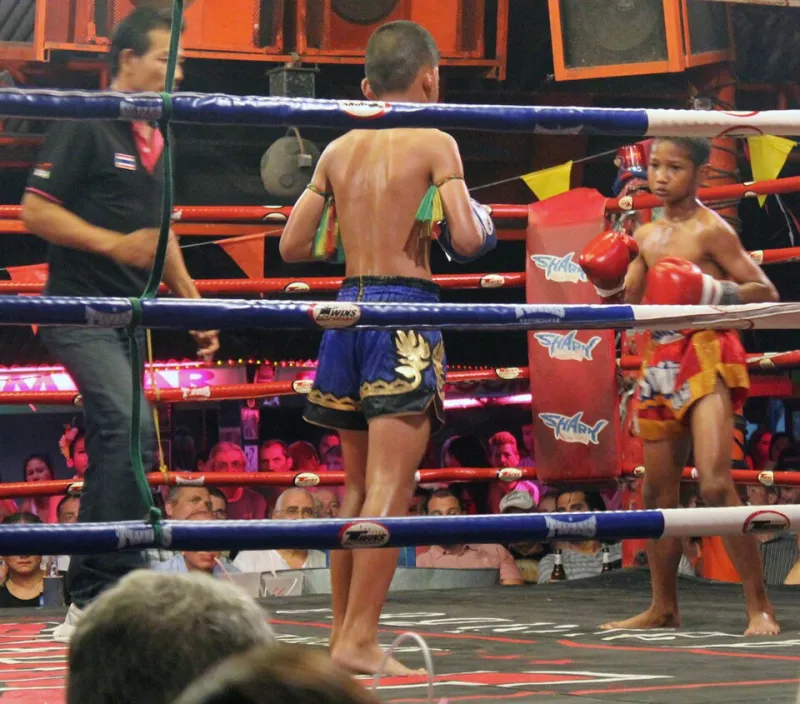
And the referee — whether you like it or not — is going to shape your fight more than almost anyone else in the building. Not because refs decide fights on purpose, but because every official has a style. Some break the clinch the instant your hands touch. Some warn you twice, then start docking points. Some let two tired amateurs wrestle in a plum for thirty seconds because, honestly, it's still entertaining. If your entire game plan is built around clinch work and you draw a break-it-fast ref, you just lost your best weapon before the national anthem finished.
The Three Refs You'll Meet at Every Amateur Card
Spend enough weekends ringside and you'll notice officials sort into a few reliable archetypes.
The Quick Whistle. This ref treats the clinch like a fire alarm. Hands touch, knees barely start, and you're getting the two-finger break. If this is your official, your fight becomes a kickboxing match whether you want it to or not. Long-knee specialists and neck-wrestle artists need to adjust: win with entries that land before the break, or pivot to teeps, timing, and ring generalship.
The Let-Them-Work Official. The opposite extreme. This ref wants to see activity inside and only steps in when someone's stalling or taking damage. Great news if you've put in clinch reps. Bad news if you've been coasting on the assumption that a referee will save you from tired knees. Under this official, conditioning inside the clinch is a survival skill, not a bonus.
The Chatty Educator. Some refs talk constantly — "watch the hands," "turn him," "let's go, work." Novice fighters hear this as noise or, worse, as a scolding. Veterans hear information. A ref who warns verbally is telling you exactly where the line is before it costs you a point. That's free coaching. Take it.
What Referees Wish You Knew
I spoke with officials who've worked cards under IKF and US Muay Thai rules, and a few themes came up again and again.
First: the pre-fight instructions aren't a formality. "Fighters nod through the rules meeting like they're ordering at a drive-thru," one veteran official told me. "Then they're shocked in round two when I warn them for holding the leg." Every sanctioning body runs slightly different clinch and sweep standards. The sixty seconds your ref spends explaining them is the most specific scouting report you'll get all night.
Second: refs aren't against you. Amateur officials genuinely want you to look good and go home healthy. A ref who separates you isn't stealing your moment — they're managing risk in a sport where a bad knee to a tired head ends careers. Fighting the ref's rhythm instead of working with it is a losing negotiation.
Third: your body language matters. Officials read fighters constantly. If you're dumping your opponent and looking to the ref for approval, you look in control. If you're whining after every break, you've planted a seed. Nobody's scoring your personality, but composure buys you the benefit of the doubt in every gray moment.
How to Actually Read a Ref — In Real Time
You won't get a scouting video of the official, so you have to do this live. Watch the fights before yours. Seriously — most amateurs sit in the back with headphones on while a full scouting library runs in the ring.
Ask three questions during the card:
- How fast does he break the clinch? Count the seconds. If it's under two, plan around it.
- Does he warn first or penalize first? That tells you how many mistakes you have in the bank.
- Where does he position himself? A ref who hugs the ropes will interfere with your exits. A ref who circles wide gives you space to work along the edges.
Then brief your corner. A good cornerman tracking the ref's tendencies is worth more than one more round of pad work that afternoon. "Break it fast — win the first exchange after every separation" is a corner instruction that can win you a decision.
Adjusting Your Game Plan
Against a quick-whistle ref, build your offense around the reset. The moment after a break is the most predictable moment in the fight — both fighters know a restart is coming. Whoever initiates cleaner off the break usually steals the round. Drill your jab off the separation and your catch-and-return off their jab.
With a let-them-work ref, your gas tank is your strategy. Win the clinch battle in round one without emptying the tank, and you'll bank rounds while your opponent burns out wrestling. If you're the stronger clincher, force it early and often. If you're not, keep the fight at kicking range and make him chase you.
And if your ref is a talker? Listen. Every instruction is a preview of what happens next if you don't adjust. Fighters who hear warnings as information instead of criticism finish fights with all ten toes and all their points.
The Bigger Picture
There's a version of you that reads this and thinks, "I can't control the ref, so why bother?" Fair — you can't control him. But you can control how well you adapt, and adaptation is the whole sport. Reading an opponent's tells is respected as fight IQ. Reading a referee's tells is the same skill pointed at a different target, and it's the one nobody in your gym is drilling.
Next event, skip the headphones during the undercard. Watch the officials the way you watch the fighters. By the time your hand is getting taped, you'll know more about the third person in the ring than your opponent does — and in a sport decided by inches and split seconds, that's an edge you got for free.