Cold Plunges, Compression Boots, and Other Expensive Ways to Skip Sleep: Recovery for the Two-a-Day Fighter

Photo: athlete ice bath recovery gym, via img.wattpad.com
You finish morning pad work at 6 a.m., squeeze in a shift, then you're back on the mats at 6 p.m. for clinch rounds. Twice a day is when Muay Thai stops being a hobby and starts being a job your body didn't apply for.
And this is exactly when the algorithm finds you. Suddenly your feed is full of guys sitting in steel barrels of ice water at sunrise, legs zipped into $8,000 compression boots, talking about "inflammation optimization." The message is clear: your recovery is inadequate, and the fix costs money.
Here's the uncomfortable truth: most of it is marketing, and some of it might actually be making you worse.
The Ice Bath Problem Nobody on Instagram Mentions
Cold water immersion works — at one specific thing. It crushes soreness fast. You step out of the plunge feeling like a brand-new person, which is precisely why it became content.
But soreness isn't the goal. Adaptation is. And the research on chronic cold exposure is pretty clear that icing yourself after every hard session can blunt the very adaptations you're training for. Cold constricts blood vessels and dampens the inflammatory signaling that tells your muscles, tendons, and nervous system to rebuild stronger. Kill that signal and you've paid tuition for a class you skipped.
For a nak muay running two sessions a day, that matters. You're not a physique athlete trying to feel fresh for a photo. You're trying to get better every single week, and a post-training plunge after every session is like muting your coach mid-instruction.
There's a legitimate use case: fight week. When you need to feel good — not get better — a cold plunge before the biggest week of your camp can take the edge off. That's a tool, not a lifestyle.
Compression Boots, Massage Guns, and the Recovery Industrial Complex
Compression boots feel amazing. They're also a very expensive way to lie down.
The research on pneumatic compression for athletic recovery is, at best, mixed. Does the gentle squeezing feel good after five rounds on the bag? Absolutely. Is it doing something your legs can't do for free by elevating them on a wall for ten minutes? The evidence says probably not.
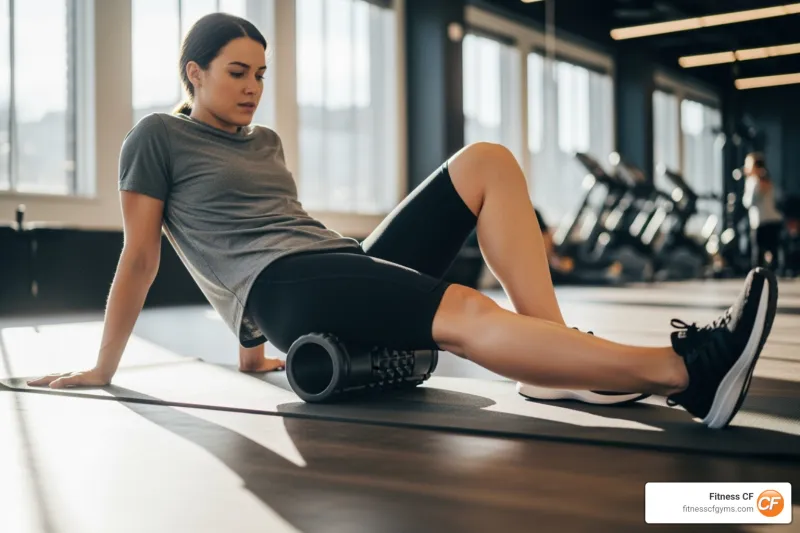
Same goes for massage guns. They're fine. Percussive therapy can ease tight tissue and feels productive. But if you own a $400 massage gun and a $30 foam roller is gathering dust in your closet, you didn't buy recovery — you bought a gadget.
None of this stuff is harmful. It's just that when you stack it against the things that actually move the needle, you're rearranging furniture while the house is on fire.
The Recovery Stack That's Free (or Close to It)
If you're training twice a day, here's your actual hierarchy, roughly in order of impact:
1. Sleep, and lots of it. Every meaningful adaptation — muscle repair, motor learning, hormonal balance, reaction time — runs on sleep. For a two-a-day schedule, you likely need more than the standard 7-9 hours, and naps count. A 20-30 minute nap between sessions isn't laziness; it's the single highest-leverage recovery tool available to you.
2. Eat like someone who trains twice a day. You're burning through glycogen at morning practice and expecting your evening session to run on fumes if you under-fuel. Protein at every meal, carbs around both sessions, and enough total calories that your body isn't choosing between recovery and survival. Chronic under-eating while doubling up is how overtraining and stress fractures happen.
3. Hydrate beyond the water bottle. Two sweat-soaked sessions in Texas heat or a Midwest summer gym means you're losing electrolytes by the liter. Add a pinch of salt to your meals, drink consistently through the day, and weigh yourself before and after hard sessions to see what you're actually losing.
4. Easy movement on off days. A 30-minute walk, light stretching, some mobility work. Blood flow without additional load. Not a "recovery workout" that secretly becomes a third session.
5. Deload weeks every 4-6 weeks. This is the one nobody sells because it costs nothing. A week of reduced volume — fewer rounds, lighter intensity — lets your body actually absorb the training you've been piling on. The Thai fighters who train twice daily for decades aren't grinding at 100% year-round. They auto-regulate. You should too.
When You Actually Need to Feel Good
To be fair to the cold plunge crowd, there are moments when blunting adaptation is fine — even smart:
- Fight week, when the goal is showing up fresh, not improving
- After a brutal sparring day where managing damage matters more than progress
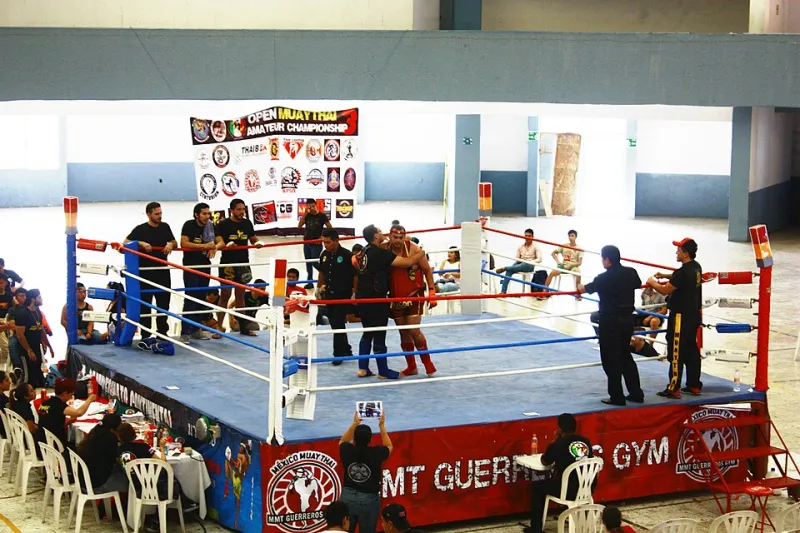
- Between tournament rounds in a same-day amateur bracket
Used sparingly, cold exposure is a legitimate tool. Used after every session, year-round, it's working against you.
The Boring Truth
Here's what the two-a-day recovery routine actually looks like for a fighter with a job, a commute, and a checking account:
Sleep 8+ hours with a nap if you can manage it. Eat real food in real amounts. Salt your meals. Walk on rest days. Take a deload every month or so. Save your money.
It doesn't photograph well. It won't go viral. But it's what the science supports, it's what fighters in Thailand have done forever, and it leaves you with enough cash for the stuff that actually matters — like good gloves and gas money to the next smoker.
Train hard. Recover boring. Get better.